
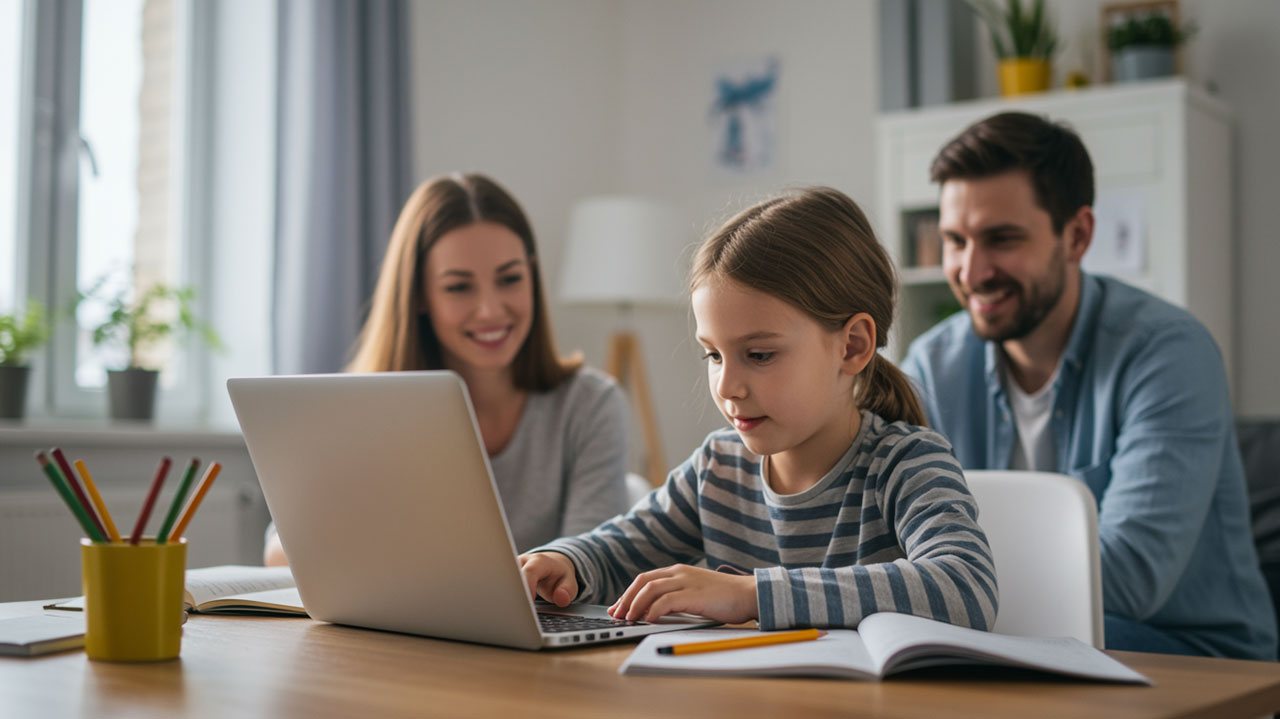
In 2025, conversations around children’s mental health are louder—and more urgent—than ever before. Rising academic pressure, bullying, social comparison, long school hours, and pandemic-related aftereffects have prompted parents to explore healthier learning alternatives. This is one of the major reasons why online learning continues to grow worldwide, especially through K-12 online schools and structured online learning programs.
But the big question is:
Is online schooling actually better for mental health?
The answer isn’t a simple yes or no—but for many students, the flexibility, structure, and personalization of online learning have made a remarkable difference.
Here is a complete guide for parents in 2025 who are considering shifting their children to online schooling.
1. Flexible Schedules Reduce Stress and Burnout
Traditional schooling forces children to follow rigid routines: early wake-ups, long commutes, heavy bags, and an exhausting timetable. These factors contribute significantly to anxiety and fatigue.
In comparison, K-12 online schools allow children to learn at their own pace. Students can schedule classes around their natural productivity cycles—whether they are morning birds or evening learners. The reduced rushing, calmer mornings, and self-paced classes help improve emotional balance and reduce stress-related issues.
This flexibility is also one of the key Benefits of K-12 online learning, especially for children with anxiety, ADHD, learning differences, or chronic health conditions.
2. Safe Learning Environment with Less Bullying
Bullying, peer pressure, and social anxiety remain some of the biggest triggers for declining mental health among school-aged children. For many families, a Virtual school academy provides a safe alternative where learning happens without constant social pressure.
Students who faced:
- bullying
- teacher intimidation
- body shaming
- academic comparison
- gender/social discrimination
often experience a dramatic improvement in confidence and emotional well-being when studying online.
A controlled learning environment allows children to focus on academics without fear or stress.
3. Personalized Teaching Enhances Confidence
Unlike traditional classrooms where one teacher manages 30–40 students, online learning programs often follow a personalized approach. Children can revisit classes, access recorded lessons, and get one-on-one support.
This reduces the frustration that comes from:
- falling behind
- feeling embarrassed to ask questions
- not understanding the pace of the class
When children learn at their own speed, their confidence grows—and so does their emotional stability.
4. Better Balance Between Academics & Life
Mental health thrives when children have time for rest, hobbies, and relationships. Traditional schooling often leaves students exhausted, with little time for extracurricular passions.
Through structured Online Learning, students gain:
- more free time
- more energy for creative activities
- a healthier balance between academics and personal life
- reduced feelings of being “overloaded.”
This holistic balance is one of the major reasons families continue to adopt K-12 online schools in 2025.
5. Improved Family Bonding and Emotional Security
One overlooked advantage of online schooling is stronger parent–child bonding. Children spend more quality time with their families, which can provide emotional grounding and stability.
Parents also gain visibility into:
- What the child is studying
- How teachers interact
- How the child responds to learning
- Whether the learning environment is supportive
This transparency creates a supportive ecosystem where children feel understood and emotionally protected.
6. What About Socialization? A Common Concern for Parents
A common fear is that online schooling might limit social development. But in 2025, Socialization for online school students has evolved significantly.
Online students engage in:
- virtual clubs
- group projects
- peer collaboration rooms
- debate and public speaking activities
- virtual field trips
- hybrid meet-ups (in many schools)
Many Virtual school academy systems today combine digital and offline meet-ups to ensure children build relationships, communication skills, and teamwork abilities.
The myth that online learning isolates children is no longer true—socialization now happens differently, but still meaningfully.
7. Reduced Exposure to Pandemic Anxiety & Health Risks
Mental health concerns heightened during the pandemic, especially in crowded school environments. Even in 2025, many parents prefer schooling systems that allow flexibility during outbreaks of flu, viral infections, or seasonal illnesses.
Online schooling offers children:
- safe learning from home
- fewer sick days
- reduced health anxiety
- less fear of missing lessons when unwell
A stable, stress-free environment contributes greatly to emotional health.
8. Helps Children With Special Learning Needs
Children with autism spectrum conditions, ADHD, dyslexia, or sensory processing challenges often thrive in online learning settings. They can control sensory distractions, replay lessons, and receive personalized attention without pressure.
Many specialized online learning programs include:
- assistive technology
- structured routines
- custom assessments
- supportive learning environments
These tools help children feel more confident and emotionally secure.
9. Not a Perfect Solution—But a Powerful Alternative
Online schooling is not automatically better for every child. Some students need physical interaction, hands-on environments, or traditional classrooms. Some may struggle with screen time or self-discipline.
However, for children struggling with stress, anxiety, bullying, health issues, or rigid academic pressure, Online Learning can be a lifeline.
The key is choosing the right online school with:
- qualified teachers
- structured routines
- balanced screen time
- opportunities for socialization
- strong counseling support
- high-quality curriculum
Conclusion: Is Online Schooling Better for Mental Health?
For many students, the answer is yes.
Online schooling—especially through modern K-12 online schools and well-designed online learning programs—offers emotional safety, flexibility, personalization, and balance that traditional schooling often cannot provide.
In 2025, as mental health takes center stage, parents are no longer simply asking, “Where will my child study?”
They are asking, “Where will my child feel safe, confident, and happy?”
And increasingly, the answer for many families is:
A good Virtual school academy built for holistic well-being and academic excellence.
Lorem ipsum dolor sit amet, consectetur adipiscing elit. Ut elit tellus, luctus nec ullamcorper mattis, pulvinar dapibus leo.
Comments are closed