

Introduction
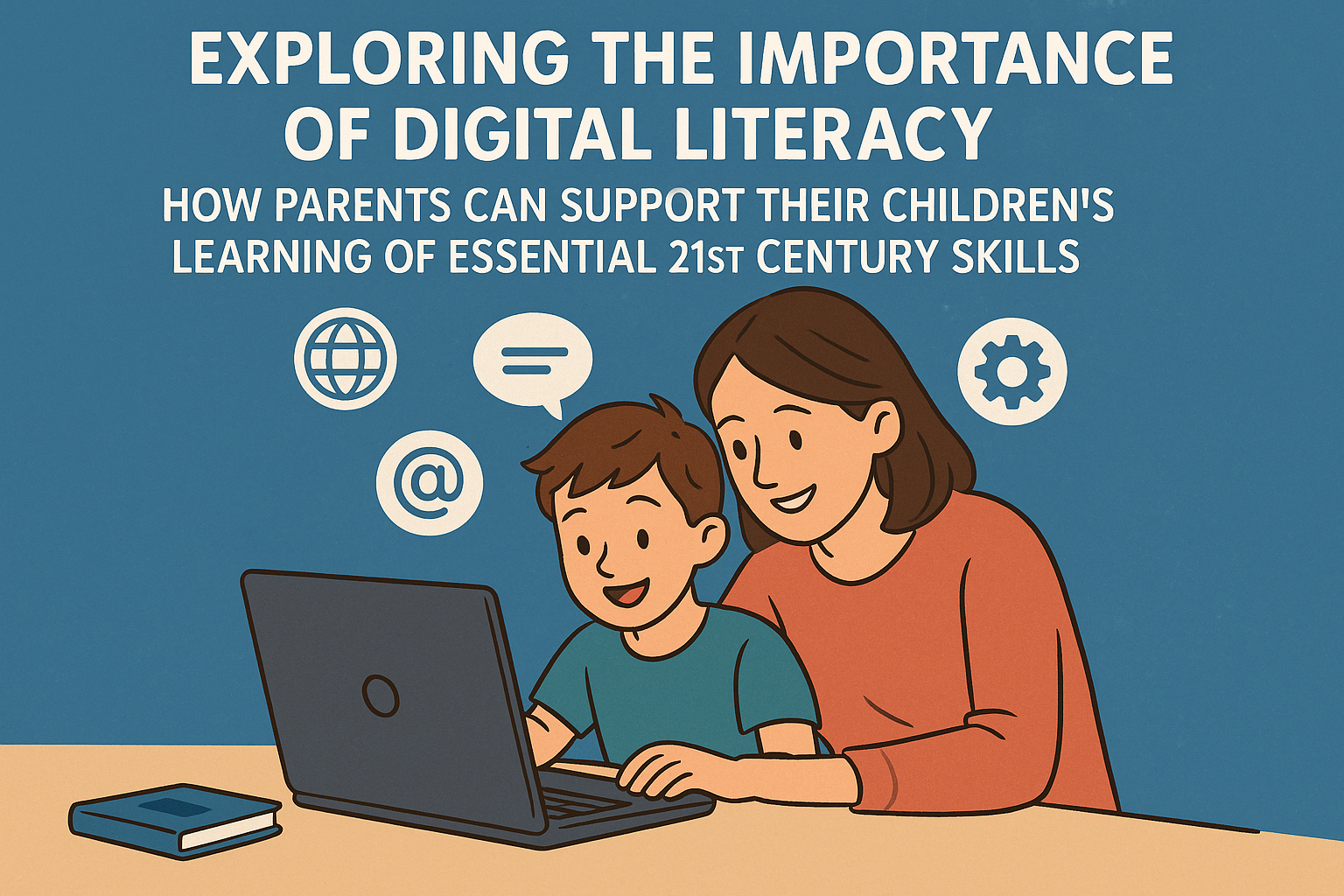
In the 21st century, digital literacy has emerged as an essential skill set for children and young adults, transcending traditional educational boundaries. This article seeks to explore the importance of digital literacy in contemporary society and provide parents with actionable strategies to support their children’s learning in this critical area. As technology continues to evolve and permeate every aspect of life, understanding how to navigate the digital landscape is crucial not only for academic success but also for career readiness and responsible citizenship.
The importance of digital literacy cannot be overstated. It is crucial for parents to understand the importance of digital literacy in their children’s education.
Definition of Digital Literacy
Recognizing the importance of digital literacy in today’s world is essential for both parents and children.
Digital literacy refers to the ability to effectively and critically navigate, evaluate, and create information using a range of digital technologies. It is not merely about knowing how to use devices like computers and smartphones; it encompasses a broader understanding of how digital tools can be utilized for learning, communication, and problem-solving. Digital literacy includes various competencies, such as the ability to discern credible sources from unreliable ones, communicate effectively online, and understand the implications of online behavior.
Understanding the importance of digital literacy prepares children for the demands of the future.
Relevance in Today’s Society
In a world where information is abundant and easily accessible, being digitally literate is more important than ever. Children who develop strong digital literacy skills are better equipped to engage in informed discussions, take part in educational opportunities, and explore career paths that require technological proficiency. Furthermore, digital literacy fosters critical thinking and creativity, enabling children to become not just consumers of information but also contributors to the digital world.
By recognizing the importance of digital literacy, parents can significantly impact their children’s academic journey.
The Role of Digital Literacy in Education
The importance of digital literacy extends beyond academic success; it is vital for future career opportunities.
Impact on Academic Performance
Understanding the importance of digital literacy enables children to navigate the information age effectively.
This highlights the importance of digital literacy in today’s interconnected world.
Digital literacy plays a significant role in influencing students’ academic performance. With the increasing incorporation of technology in classrooms, students who are digitally literate tend to perform better academically. They can effectively utilize educational resources available online, collaborate with peers through digital platforms, and engage in research that enhances their learning experience. Studies have shown that students with strong digital skills tend to have higher grades and better engagement in their educational pursuits.
Preparation for Future Careers
The modern job market demands a workforce that is not only skilled in traditional disciplines but also adept at using technology in a variety of contexts. As automation and digital tools become ubiquitous, employers increasingly seek candidates who can thrive in a digital environment. By fostering digital literacy, parents can help their children prepare for future careers in diverse fields such as technology, healthcare, and education, where digital skills are paramount.
The importance of digital literacy is evident in how children interact with technology daily.
Key Components of Digital Literacy
Information Literacy
Addressing the importance of digital literacy is essential for bridging the digital divide.
Information literacy involves the ability to locate, evaluate, and use information effectively. In an age where misinformation is rampant, teaching children how to discern credible sources from unreliable ones is essential. Parents can encourage information literacy by guiding their children to verify facts before sharing or believing them, instilling a sense of responsibility in their online interactions.
The importance of digital literacy also involves parental engagement and awareness.
Media Literacy
Media literacy encompasses the skills needed to critically analyze media content, including advertisements, news articles, and social media posts. Children must learn to understand the motivations behind media messages and recognize bias or persuasive techniques. Parents can facilitate discussions about media consumption, helping children develop a critical eye towards the content they engage with.
Furthermore, parents must recognize the importance of digital literacy in promoting responsible technology use.
Technical Proficiency
Daily interactions with technology underline the importance of digital literacy for learning.
Technical proficiency refers to the ability to operate digital devices and software effectively. This includes basic skills, such as using word processors and spreadsheets, as well as more advanced capabilities, like coding or digital content creation. Encouraging children to explore different technologies and tools can build their confidence and adaptability in using digital resources.
Promoting critical thinking through technology reinforces the importance of digital literacy in education.
Challenges in Developing Digital Literacy
The resources available highlight the importance of digital literacy in learning environments.
Access to Technology
One of the primary challenges in developing digital literacy is access to technology. Not all families have the same level of access to devices or reliable internet connections, which can create disparities in learning opportunities. This digital divide can hinder some children from acquiring the necessary skills, making it crucial for communities to address these inequities through initiatives that provide resources and support.
Books can further emphasize the importance of digital literacy in navigating technology responsibly.
Parental Awareness and Engagement
Community programs often discuss the importance of digital literacy in various contexts.
Parental awareness of digital literacy’s importance is another significant challenge. Some parents may not fully understand the digital landscape or how to support their children’s learning in this area. Engaging parents through workshops, resources, and discussions can help bridge this knowledge gap, empowering them to play an active role in their children’s digital education.
Strategies for Parents to Foster Digital Literacy
In summary, the importance of digital literacy is vital for students’ success in today’s world.
Encouraging Safe and Responsible Use of Technology
As parents, understanding the importance of digital literacy allows for better support of their children.
Parents can encourage safe and responsible technology use by establishing guidelines and discussing online safety with their children. This includes setting boundaries around screen time, teaching children about privacy settings, and the importance of maintaining a positive digital footprint. By fostering an environment where children feel comfortable discussing their online activities, parents can help them navigate the digital world more safely.
Recognizing the importance of digital literacy early on fosters lifelong skills.
Incorporating Digital Tools in Everyday Learning
Integrating digital tools into everyday learning can significantly enhance children’s digital literacy development. Parents can introduce educational apps, online courses, and interactive websites that align with their children’s interests and school subjects. Family activities that involve technology, such as coding games or digital art projects, can also make learning more engaging and relevant.
The importance of digital literacy also includes understanding how to monitor online activities.
Promoting Critical Thinking and Evaluation Skills
Tools for learning coding highlight the importance of digital literacy in education.
Encouraging critical thinking is essential for fostering digital literacy. Parents can create discussions around news articles, social media posts, or online videos, asking their children to evaluate the credibility of the sources and the perspectives presented. This practice not only enhances their analytical skills but also promotes an understanding of the complexities of information dissemination in the digital age.
Teaching online safety reflects the importance of digital literacy in protecting children.
Resources for Parents
Lastly, the importance of digital literacy is reinforced through community resources available for parents.
Online Platforms for Learning
Numerous online platforms offer resources for parents and children to enhance digital literacy. Websites such as Khan Academy, Code.org, and Common Sense Media provide interactive learning modules that cover various aspects of digital skills. These platforms are designed to be user-friendly and engaging, catering to different age groups and learning paces.
Recommended Books and Guides
Books and guides can also be valuable resources for parents looking to support their children’s digital literacy. Titles such as Raising Digital Natives by Devorah Heitner and The Tech-Wise Family by Andy Crouch provide insights and practical advice for navigating the digital landscape as a family. These resources often include strategies for balancing technology use and fostering healthy habits.
Community Programs and Workshops
Many communities offer programs and workshops focused on digital literacy for both children and parents. Local libraries, schools, and community centers often host events that provide hands-on experience with technology, internet safety workshops, and discussions about the impact of digital media. Engaging with these resources can help families build a stronger foundation in digital literacy.
Conclusion
Recap of Key Points
Digital literacy is a critical skill set that children must develop to navigate the complexities of the modern world. It encompasses various components, including information literacy, media literacy, and technical proficiency. As parents, there are multiple strategies to foster digital literacy at home, such as encouraging safe online practices, incorporating technology into learning, and promoting critical evaluation skills.
Encouragement for Continued Support of Children’s Digital Literacy
As technology continues to evolve, so too must our approaches to teaching and supporting digital literacy. By remaining engaged and informed, parents can help their children thrive in an increasingly digital society, ensuring they possess the essential skills needed for academic and professional success in the future.
FAQs
What age should children start learning digital literacy skills?
Children can begin developing digital literacy skills as early as preschool. Age-appropriate technology, such as educational apps and games, can introduce foundational skills that progress as they grow.
How can I monitor my child’s online activity?
Monitoring online activity can involve discussing internet usage with your child, setting parental controls on devices, and using apps designed to track and limit screen time. Communication is key.
Are there any specific tools you recommend for learning coding?
Platforms like Scratch, Code.org, and Tynker are excellent for introducing coding to children. They provide interactive and engaging lessons suitable for various ages.
How can I teach my child about online safety?
Discuss online safety regularly, covering topics such as privacy and the importance of not sharing personal information. Use real-life examples to illustrate potential risks.
What resources are available for parents to learn about digital literacy?
Parents can access online resources like Common Sense Media, which offers articles, videos, and guides on digital literacy and safety, as well as local workshops and community programs.
Comments are closed